
Cryotherapy
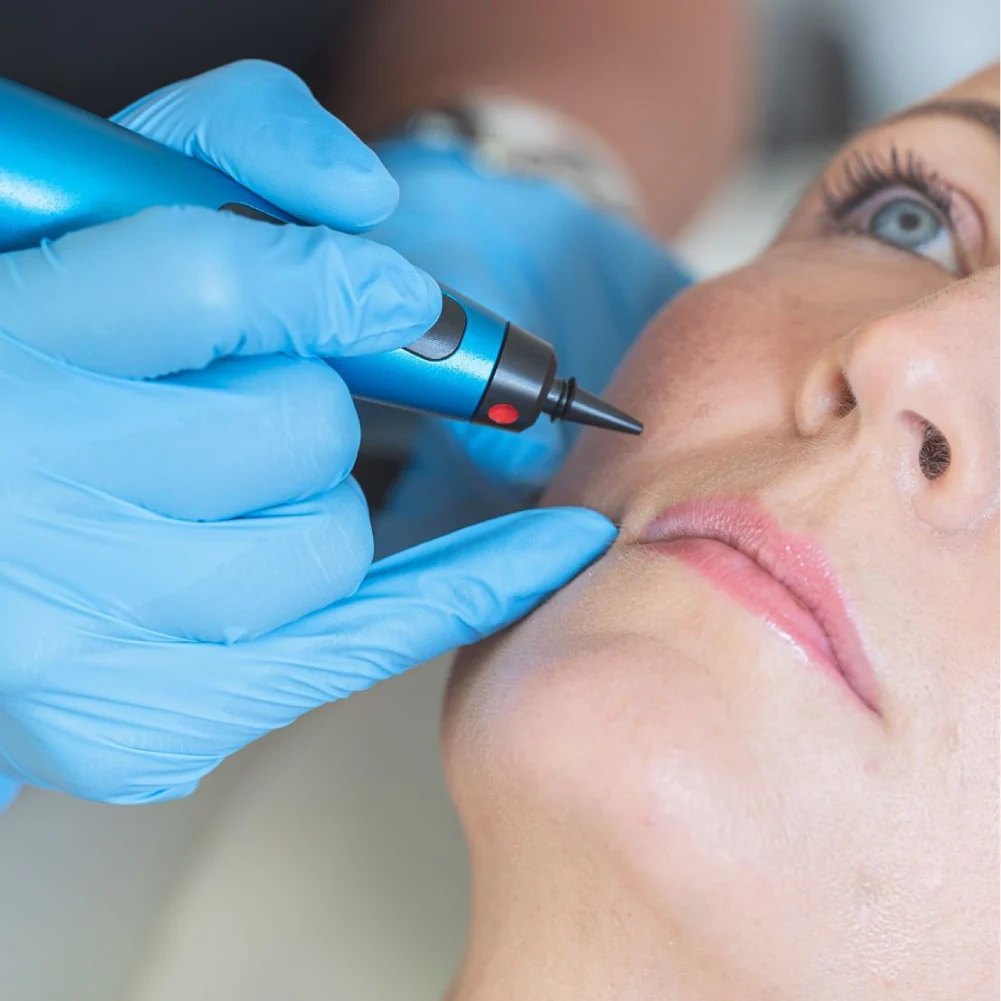
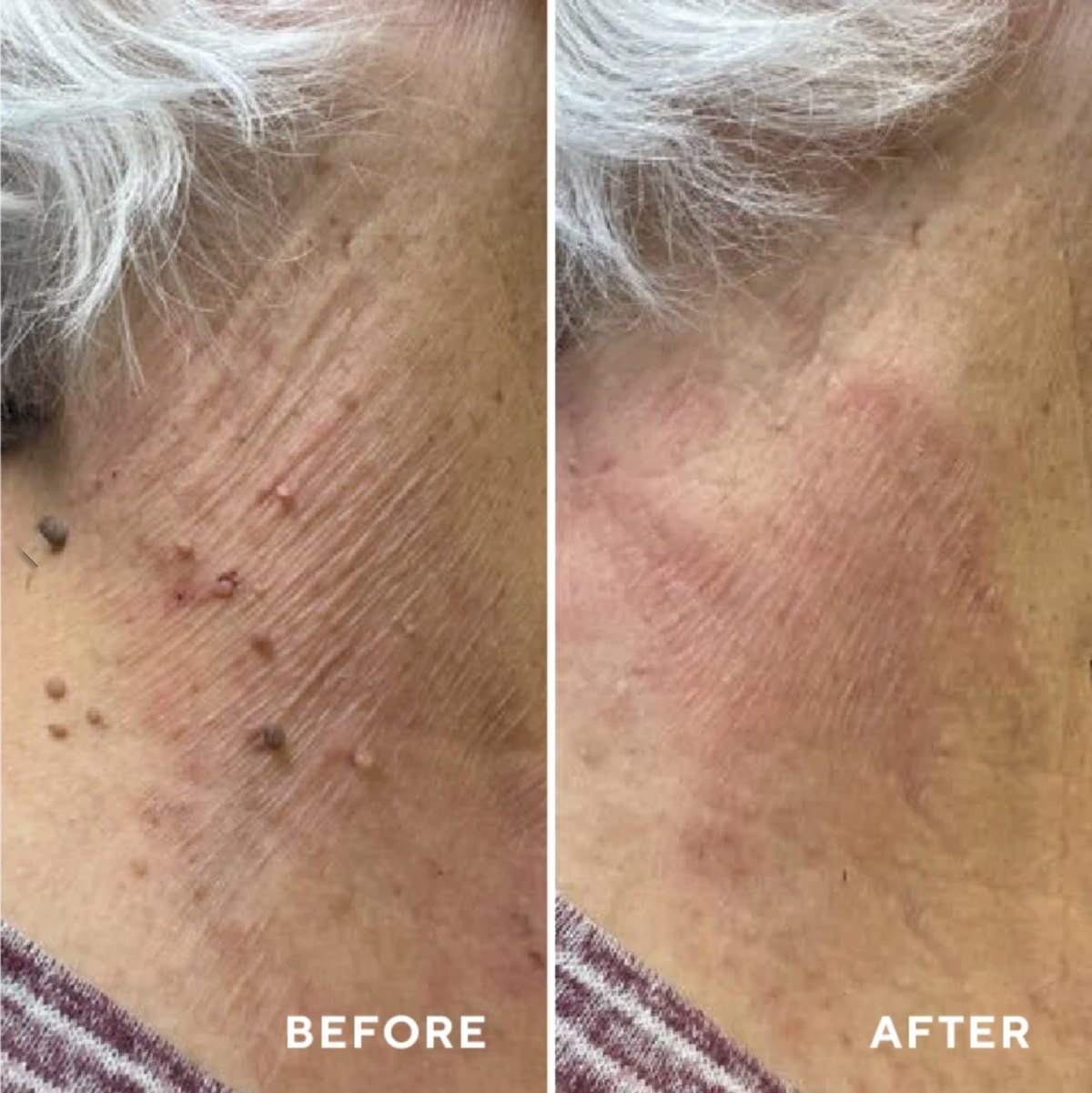
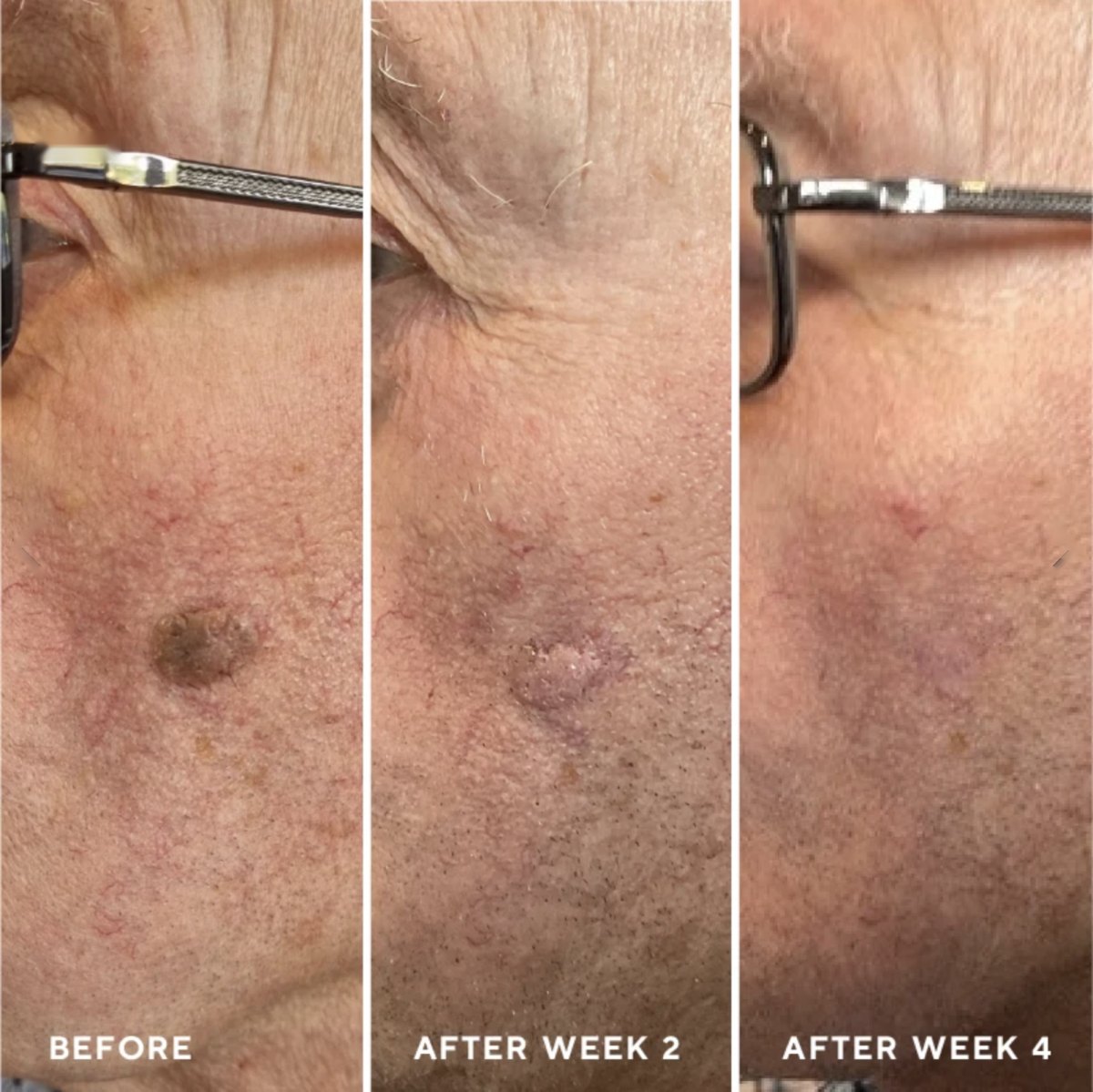
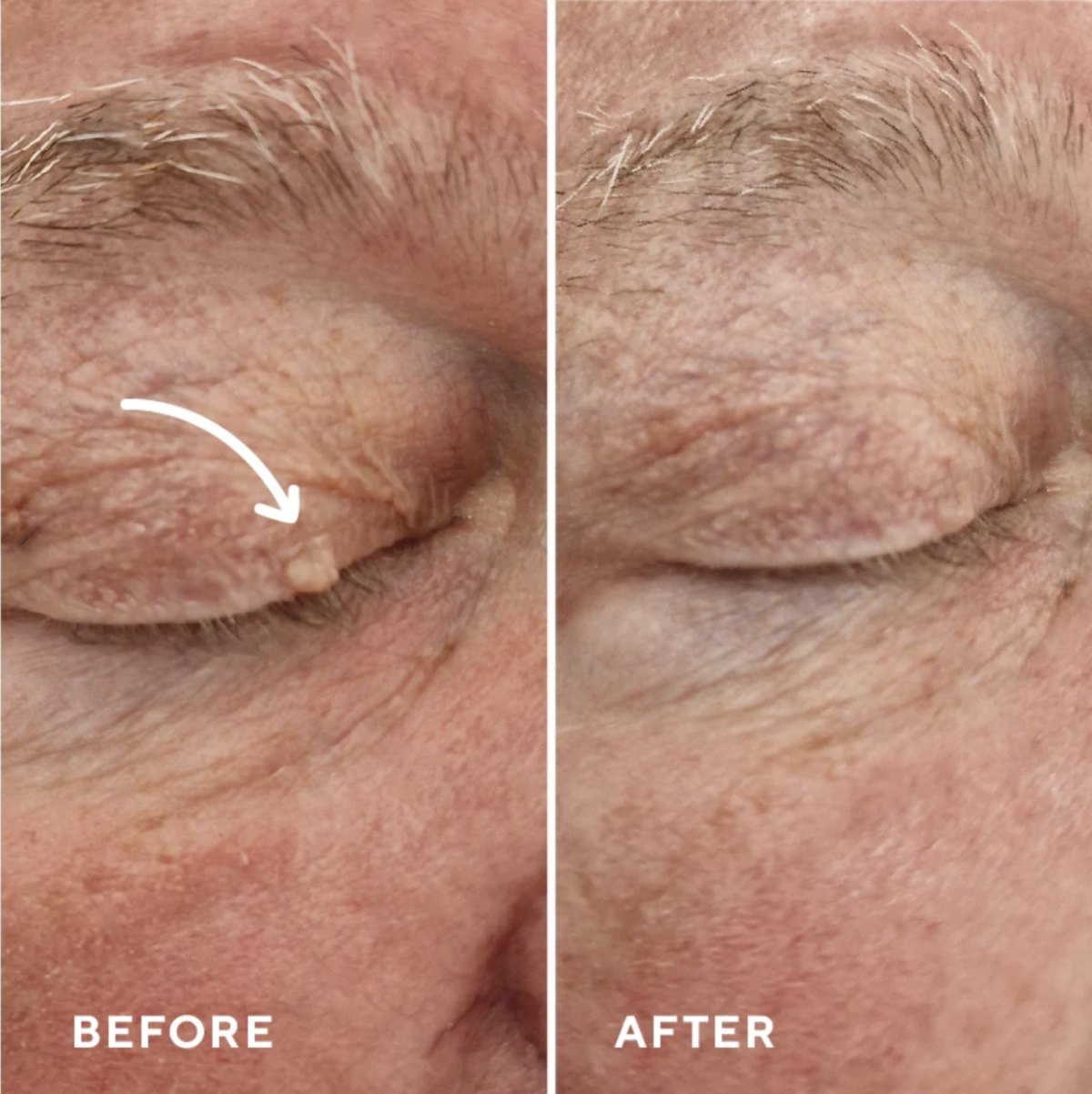
Cryotherapy, using CryoPen, is a state of the art treatment that uses extreme cold to painlessly and safely destroy unwanted, benign and superficial lesions on the surface of the skin, such as warts, skin tags, verrucae, milia, cherry angiomas and resistant hyperpigmentation.
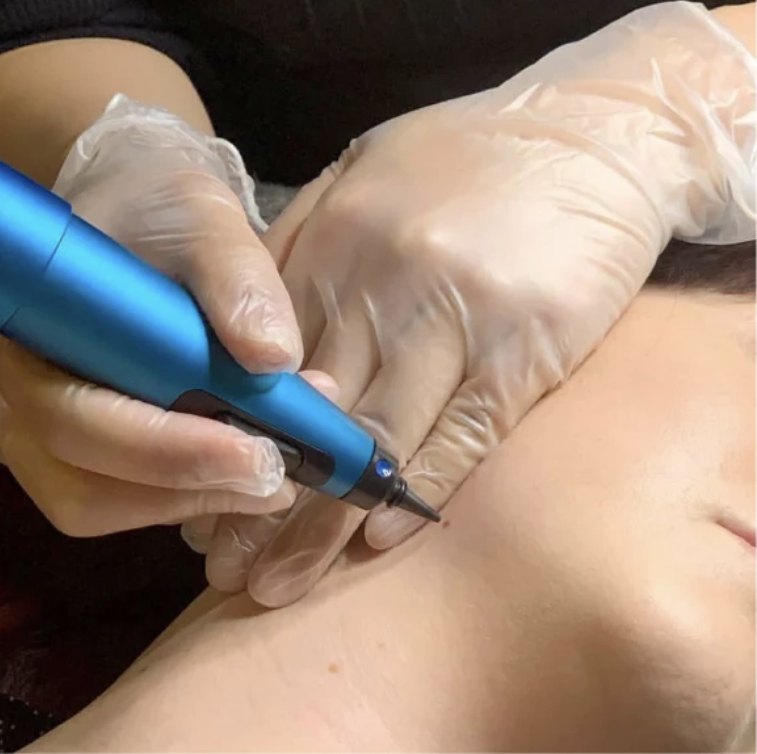
Benefits of CryoPen®
Versatile Treatment Options
Treats lesions from 1mm to 10mm in size
Fast Treatments
Treats a 2mm lesion in 10 seconds
Safe for Delicate Areas
Treat lesions on the face and close to the eye area
Pinpoint Accuracy
Doesn’t cause damage to healthy tissue
Minimal Discomfort
Little to no discomfort during or after treatment
No Downtime or Homecare
No limits on activity except for protecting the treated area
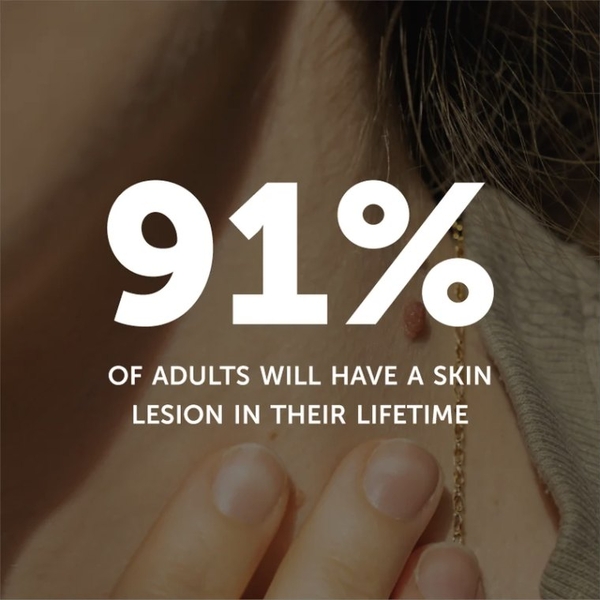
High Prevalence of Skin Lesions
A study on clinical practices in cryosurgery tested 1,031 patients and found that over 91% had at least one type of skin lesion in their lifetime.
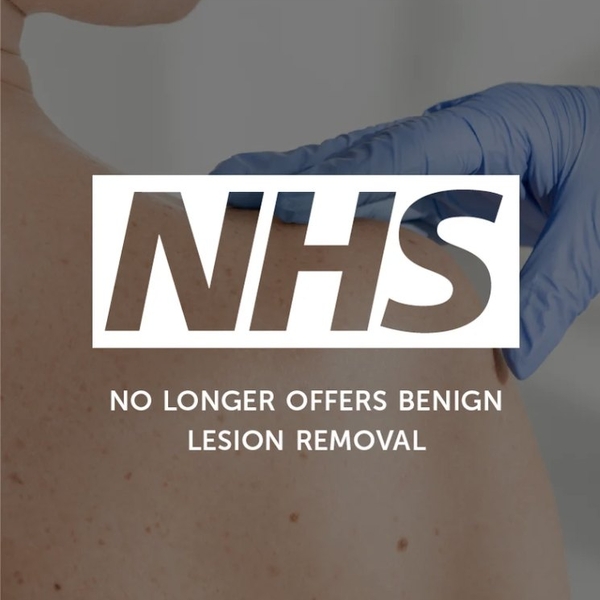
NHS Removes Lesion Treatment from GP Surgeries
In November 2018, the NHS released a statement removing the treatment of benign skin lesions from GP surgeries within the UK.
Pricing - From £95
EXCEPTIONAL RESULTS IN AS LITTLE AS 1 TREATMENT
Before and After Images for Cryotherapy Treatment:
FAQS:
Yes. However, skin type and the location of the lesion should be considered carefully prior to treatment.
Yes. However, parental consent is required.
At a penetration of 1mm per 5 seconds, the ice will reach the base of the lesion after an amount of time related to the depth of the lesion. From that moment, the patient will feel a pain sensation, which may be the moment to stop treatment. There may be a little residual stinging for a few minutes after treatment.
Generally, little or no discomfort is experienced during the first few seconds.
Follow-up should be scheduled at two-week intervals to observe results and for further sessions if required.